

How to Get to Machu Picchu: All Transportation Options

Machu Picchu is one of the most remarkable destinations in Peru, but reaching this ancient Inca citadel requires some planning. Unlike many archaeological sites, Machu Picchu has no direct road access, so travelers must combine different forms of transportation depending on their budget, schedule, and travel preferences.
The most common way to get to Machu Picchu is by train from Ollantaytambo to Aguas Calientes, also known as Machu Picchu Pueblo. However, there are other alternatives, including the route through Hidroeléctrica and the famous Inca Trail.
In this guide, we explain how to get to Machu Picchu from Cusco, compare all the main transportation options, and help you choose the route that best fits your trip.
How to Get to Machu Picchu: An Overview of All Routes
Before choosing your transportation, it is important to understand the geography of the journey. Machu Picchu is located in the Peruvian Andes, in a mountainous area surrounded by the Urubamba River valley.
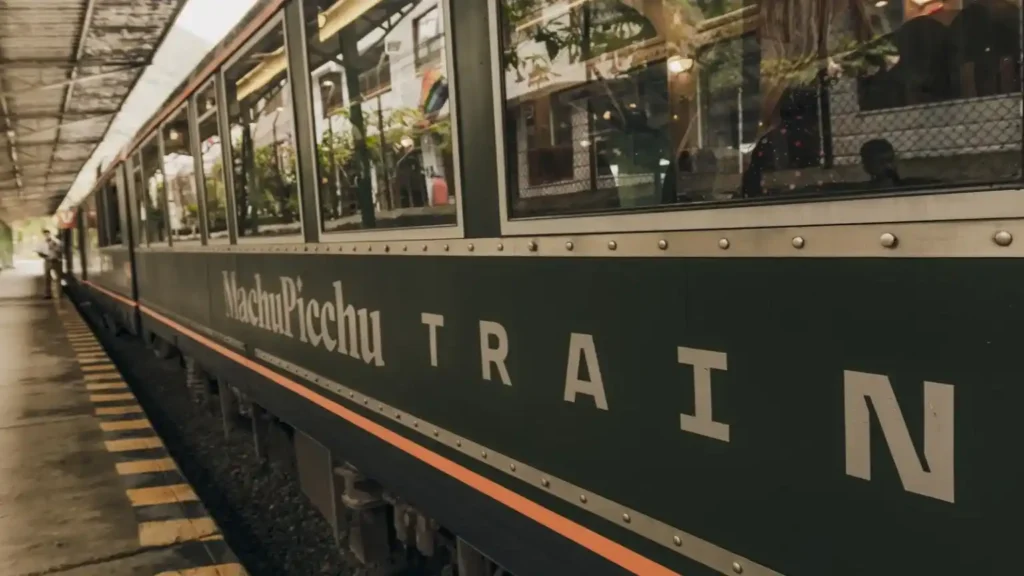
There is no public road connecting Cusco directly to the archaeological site or to Aguas Calientes. Most visitors first travel to Machu Picchu Pueblo by train or by road and then walking from Hidroeléctrica. From the town, they continue to the entrance of the citadel by shuttle bus or on foot.
The main ways to reach Machu Picchu are:
- Train from Ollantaytambo: The most popular and convenient option for most travelers.
- Train from Cusco: Available through specific services and seasonal schedules, including bimodal bus-and-train connections.
- Route through Hidroeléctrica: A more economical alternative involving a road journey followed by a walk along the railway.
- Inca Trail: A trekking experience that reaches Machu Picchu on foot.
- Short Inca Trail: A shorter trekking route that combines train transportation with a hike to the archaeological site.
Each option offers a different experience, so the best choice depends on how much time you have, your budget, and whether you prefer comfort or adventure.
1. Getting to Machu Picchu by Train
Traveling by train is the most popular way to reach Machu Picchu. It is a convenient option for visitors who want to enjoy the journey through the Sacred Valley and reach Aguas Calientes without a long hike.
Most train services depart from Ollantaytambo, a town in the Sacred Valley of the Incas, and arrive at Machu Picchu Pueblo.
From Cusco to Ollantaytambo by Road
The first part of the journey is traveling from Cusco to Ollantaytambo by tourist transport, private vehicle, or another road service.
The drive usually takes approximately 1.5 to 2 hours, depending on traffic, weather, and the departure point.
Ollantaytambo is an excellent place to explore before your train journey. Its traditional streets, Inca stone walls, and archaeological complex make it one of the most interesting destinations in the Sacred Valley.
From Ollantaytambo to Aguas Calientes by Train
Once you arrive at Ollantaytambo station, you board the train to Machu Picchu Pueblo. The journey generally takes around 1.5 to 2 hours, depending on the service and schedule.
Two main railway companies operate tourist services to Machu Picchu:
- PeruRail: Offers different train services and travel experiences.
- Inca Rail: Provides several train categories and services connecting the Sacred Valley with Machu Picchu Pueblo.
Train schedules, departure stations, and services vary depending on the season and operating conditions. Some journeys marketed as departures from Cusco include a bus connection to the train station rather than a direct train from the city.
It is important to check the departure station and complete itinerary before purchasing your ticket.
From Aguas Calientes to Machu Picchu
After arriving at Machu Picchu Pueblo, you still need to reach the entrance of the archaeological site.
There are two main options:
- Shuttle bus: A bus takes visitors from Aguas Calientes to the entrance of Machu Picchu. The ride usually takes approximately 25 to 30 minutes.
- Walking: Visitors can hike uphill from the town to the entrance. This is a demanding climb involving many steps and generally takes around 1.5 to 2 hours, depending on fitness and pace.
The shuttle bus is the most convenient choice for travelers who want to save energy for exploring the archaeological site.
Is the Train the Best Way to Get to Machu Picchu?
For most travelers, yes. The train offers a comfortable and practical way to reach Machu Picchu, especially for those with limited time in Cusco or those who do not want to complete a long trek.
If you want to organize transportation, train tickets, entrance arrangements, and a guided visit together, you can explore our Machu Picchu Tour 1 Day by Train from Cusco.
2. Getting to Machu Picchu from Cusco by Train
Travelers can also book train journeys that begin with a connection from Cusco. Depending on the operator, season, and timetable, the journey may involve a direct train service from a Cusco station or a combination of road transportation and train travel.
Direct and Bimodal Train Services
A bimodal service combines bus and train transportation. Instead of taking a train from Cusco for the entire journey, passengers travel by bus to a railway station in the Sacred Valley and continue by train to Machu Picchu Pueblo.
This option is particularly important during periods when direct train operations from Cusco are not available or when the railway companies modify their schedules.
Before booking, check:
- The exact departure point in Cusco.
- Whether the service includes a bus connection.
- The station where you board the train.
- The arrival time in Machu Picchu Pueblo.
- The return departure time.
Do not assume that every train ticket advertised as Cusco–Machu Picchu includes the same route or departure station.
3. Getting to Machu Picchu through Hidroeléctrica
The Hidroeléctrica route is often considered one of the more economical ways to reach Machu Picchu. It is popular among backpackers and travelers who have more time and want to reduce transportation expenses.
Unlike the train route from Ollantaytambo, this alternative involves traveling by road from Cusco to the Hidroeléctrica area, followed by a walk along the railway to Machu Picchu Pueblo.
How Does the Hidroeléctrica Route Work?
The journey generally follows these steps:
- Travel by road from Cusco toward Santa María and Santa Teresa.
- Continue to the Hidroeléctrica area.
- Walk along the designated railway-side route to Machu Picchu Pueblo.
- Spend the night in Aguas Calientes or arrange your visit according to your schedule.
- Take the shuttle bus or walk uphill to the entrance of Machu Picchu.
The road journey can take approximately 6 to 7 hours or longer, depending on road conditions, traffic, and the departure point. The walk from Hidroeléctrica to Aguas Calientes generally takes around 2.5 to 3 hours.
Travelers should allow enough time for the entire journey and avoid planning a rushed same-day visit without carefully checking their transportation and entrance arrangements.
Is the Hidroeléctrica Route Safe?
The route requires more preparation than traveling by train. Road conditions can change, particularly during the rainy season, and the walk requires attention because it follows a railway corridor.
For a safer and more comfortable experience:
- Travel with a reliable transportation provider.
- Check road and weather conditions before departure.
- Follow the designated walking route.
- Respect railway safety instructions.
- Avoid walking after dark.
- Carry enough drinking water and suitable footwear.
This route is better suited to travelers with flexible schedules and experience managing independent journeys.
4. Getting to Machu Picchu on the Inca Trail
The Inca Trail is one of the most iconic trekking routes in South America. Instead of reaching Machu Picchu by train or road, hikers follow ancient stone paths through Andean mountains, archaeological sites, and cloud forests.
The classic Inca Trail usually takes four days and three nights, ending at Machu Picchu through Inti Punku, also known as the Sun Gate.
Classic Inca Trail: 4 Days
The four-day Inca Trail is ideal for travelers who want a complete trekking experience.
Along the route, hikers explore archaeological sites, mountain landscapes, and different ecological environments before reaching Machu Picchu.
The trail involves long walking days, steep climbs, and high-altitude sections. Proper preparation and acclimatization in Cusco are important.
Short Inca Trail: 2 Days
The Short Inca Trail is a shorter alternative for travelers who want to experience part of the historic Inca route without completing the full four-day trek.
The itinerary generally includes train transportation to the trail’s starting point near Kilometer 104, followed by a hike through archaeological sites and cloud forest toward Machu Picchu.
The exact itinerary and overnight arrangements depend on the selected service.
Do You Need a Permit for the Inca Trail?
Yes. Access to the Inca Trail is regulated, and permits are limited. Travelers must book through an authorized tour operator, and availability can be restricted, especially during popular travel periods.
The classic Inca Trail is generally closed during February for annual maintenance. Travelers should confirm current regulations and availability before making their plans.
If you are interested in this trekking experience, explore our Inca Trail Tours in Peru.
5. How to Get from Aguas Calientes to Machu Picchu
Regardless of whether you arrive by train or through Hidroeléctrica, most visitors reach Machu Picchu Pueblo before continuing to the archaeological site.
From the town, there are two ways to reach the entrance.
By Shuttle Bus
The shuttle bus is the most convenient way to travel from Aguas Calientes to the entrance of Machu Picchu.
The ride takes approximately 25 to 30 minutes along a winding mountain road. Buses operate according to established schedules and visitor demand.
The bus ticket is separate from the Machu Picchu entrance ticket and train ticket. Make sure you understand which services are included in your booking.
Walking to Machu Picchu
Visitors can also walk from Aguas Calientes to the entrance. The route follows a steep staircase that climbs the mountain alongside the road.
The hike can take approximately 1.5 to 2 hours, depending on your physical condition and walking pace.
Although it can be an option for active travelers, the climb requires considerable effort. If you are visiting Machu Picchu on a one-day itinerary, taking the shuttle bus can help you save time and energy.
6. How to Get to Machu Picchu from Lima
If you are traveling from Lima, the first step is to reach Cusco, the main starting point for most Machu Picchu journeys.
By Plane
Flying from Lima to Cusco is the fastest and most convenient option. The flight generally takes around 1 hour and 20 minutes, although schedules and flight duration may vary.
Once you arrive in Cusco, you can continue to Machu Picchu by train, through Hidroeléctrica, or as part of an organized trekking itinerary.
If you fly to Cusco, consider allowing time to acclimatize to the altitude before undertaking strenuous activities.
By Bus
Traveling by bus from Lima to Cusco is a longer alternative. The journey can take approximately 20 to 24 hours or more, depending on the route, operator, road conditions, and stops.
This option may suit travelers with flexible itineraries, but it requires considerably more travel time than flying.
After arriving in Cusco, you can choose one of the transportation options described in this guide.
7. Which Is the Best Way to Get to Machu Picchu?
The best transportation option depends on your budget, available time, and the kind of experience you want.
| Transportation option | Best for | Main consideration |
|---|---|---|
| Train from Ollantaytambo | Most travelers | Convenient and comfortable |
| Train with a Cusco connection | Travelers who prefer an organized connection | Check the exact route and departure station |
| Hidroeléctrica route | Budget-conscious travelers | Long road journey and additional walking |
| Classic Inca Trail | Trekking enthusiasts | Multi-day hike and limited permits |
| Short Inca Trail | Travelers with limited trekking time | Requires advance planning and availability |
For visitors who have only one day available, traveling by train is generally the most practical alternative. Those with more time may prefer the Hidroeléctrica route or a multi-day trekking experience.
8. How to Plan Your Transportation to Machu Picchu
Planning ahead is essential, especially during the high tourist season. Your transportation, entrance ticket, and visiting schedule must work together.
Consider these recommendations before booking:
Book Your Machu Picchu Entrance Ticket First
Machu Picchu has controlled visitor access, with different circuits and entry times. Choose the appropriate entrance ticket according to your travel date and preferred route.
Important: Once your Machu Picchu entrance ticket has been issued, its date cannot be changed to another date. Make sure your travel arrangements match the date and time on your ticket.
Reserve Your Train Tickets in Advance
Train availability can be limited during busy travel periods. Check the departure station, departure time, train service, luggage allowance, and return schedule before confirming your reservation.
Consider Spending a Night in Aguas Calientes
If you do not want to rush your visit, staying overnight in Machu Picchu Pueblo can make your journey more relaxed. It allows you to arrive the previous day and visit the archaeological site according to your entrance time the following morning.
Check Your Return Transportation
If you are traveling by train, confirm your return departure time from Machu Picchu Pueblo and allow enough time to leave the archaeological site, take the shuttle bus, and reach the station.
If you are using the Hidroeléctrica route, plan your return journey carefully and check transportation availability.
9. Visit Machu Picchu with Aremika Expeditions
Choosing the right transportation is an important part of planning your visit to Machu Picchu. If you prefer to avoid coordinating every connection independently, an organized tour can make the journey easier.
At Aremika Expeditions, we help travelers explore Machu Picchu through different experiences, including train journeys and trekking adventures.
For travelers with limited time in Cusco, our Machu Picchu Tour 1 Day by Train from Cusco is an option to consider. You can also explore our complete selection of Machu Picchu Tours to compare different itineraries.
Whether you choose to travel by train, hike the Inca Trail, or take the alternative route through Hidroeléctrica, planning your transportation in advance will help you enjoy a smoother visit to one of Peru’s most extraordinary destinations.
Frequently Asked Questions About Getting to Machu Picchu
1. What is the easiest way to get to Machu Picchu?
The easiest option for most travelers is to travel by road from Cusco to Ollantaytambo, take the train to Machu Picchu Pueblo, and then use the shuttle bus to reach the entrance of the archaeological site.
2. Can you drive directly to Machu Picchu?
No. There is no public road connecting directly to Machu Picchu or Aguas Calientes. Travelers must arrive by train, walk from Hidroeléctrica, or hike the Inca Trail.
3. How long does it take to get to Machu Picchu from Cusco?
The total travel time depends on the route. Traveling by road to Ollantaytambo and then by train to Machu Picchu Pueblo generally takes around 3.5 to 4 hours, excluding the final bus ride to the entrance and any waiting time. Other routes can take considerably longer.
4. Can you get to Machu Picchu without taking the train?
Yes. You can travel by road to Hidroeléctrica and walk along the railway-side route to Aguas Calientes. You can also reach Machu Picchu by hiking the Inca Trail with an authorized operator.
5. Is the Hidroeléctrica route cheaper than the train?
The Hidroeléctrica route is often more economical in terms of transportation, but the total cost depends on road transport, accommodation, meals, and other services. It also requires more travel time and physical effort.
6. Can you visit Machu Picchu in one day from Cusco?
Yes. A one-day visit is possible by combining road transportation, train travel, shuttle bus transportation, and the scheduled visit to the archaeological site. It requires careful coordination of departure times and entrance availability.
7. Do I need to book Machu Picchu tickets in advance?
Advance booking is strongly recommended, especially during busy travel periods. Entrance availability is limited and depends on the selected date, time, and circuit.
8. How do I get from Aguas Calientes to Machu Picchu?
You can take the shuttle bus, which generally takes around 25 to 30 minutes, or walk uphill using the staircase route, which can take approximately 1.5 to 2 hours.
9. Which train companies operate to Machu Picchu?
PeruRail and Inca Rail operate the main tourist train services to Machu Picchu. Departure stations, schedules, and services vary, so check the operator’s official information for your travel date.
10. Can I visit Machu Picchu without a tour?
Yes. Independent travelers can arrange their own entrance ticket, transportation, and other services. However, trekking routes such as the Inca Trail require booking through an authorized operator and obtaining the corresponding permit.
Categoires
Recommended Tours
- Humantay Lake Tour from Cusco – 1 Day
- Super Sacred Valley VIP Tour from Cusco – 1 Day
- Andean Wonder 13 Days
- Andean Wonder 12 Days
- Andean Wonder 10 Days
- Andean Wonder 9 Days
- Mountain Biking Maras Moray and Salt Mines Tour
- Ecological Magic Tour 3 Days
- Amazon Ecological Tour 3 Days
- Inca Jungle Trek 4 Days
Contact information
+51 913855357 +51 913855357 info@aremikaexpeditions.com Personalized attention in English and Spanish Travel with experts!