Discover the Choquequirao Trek: 3 Days to Peru’s Hidden Inca City
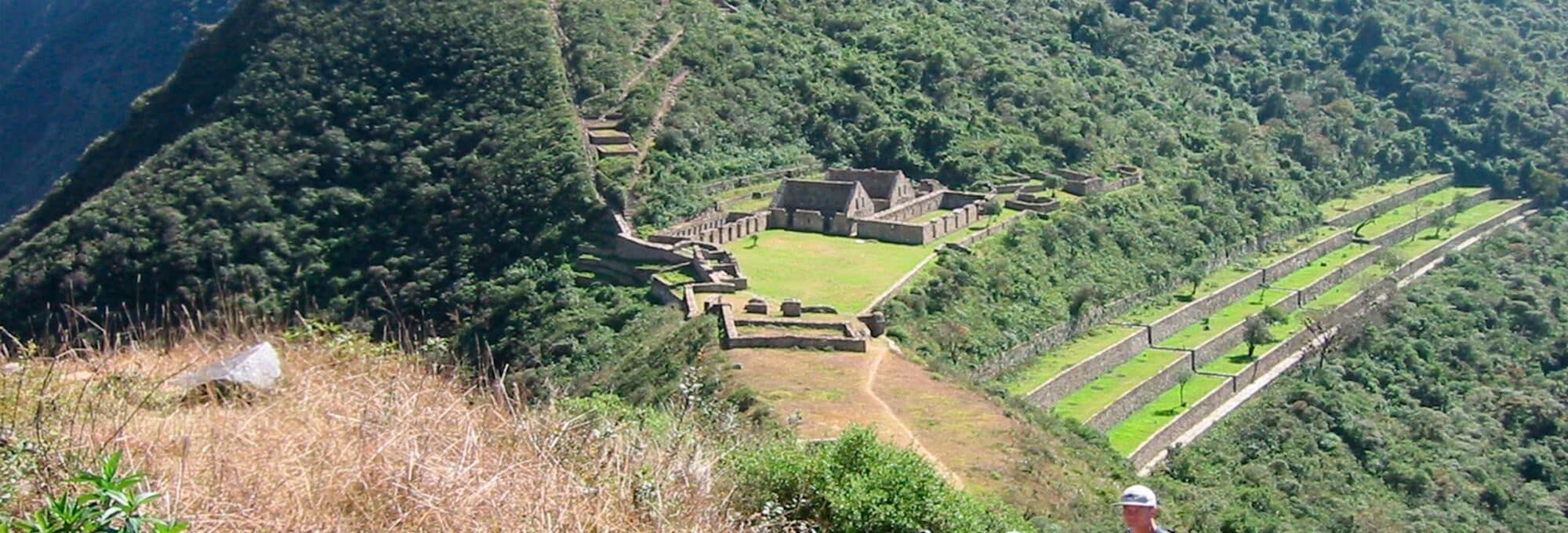
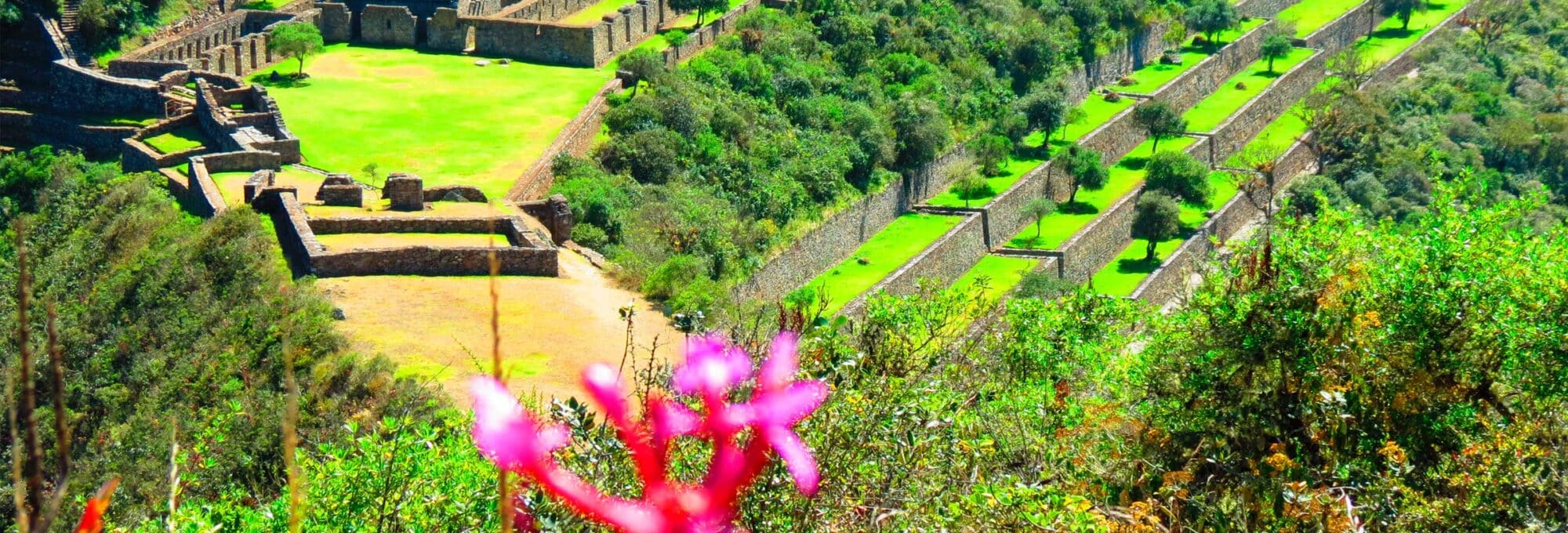
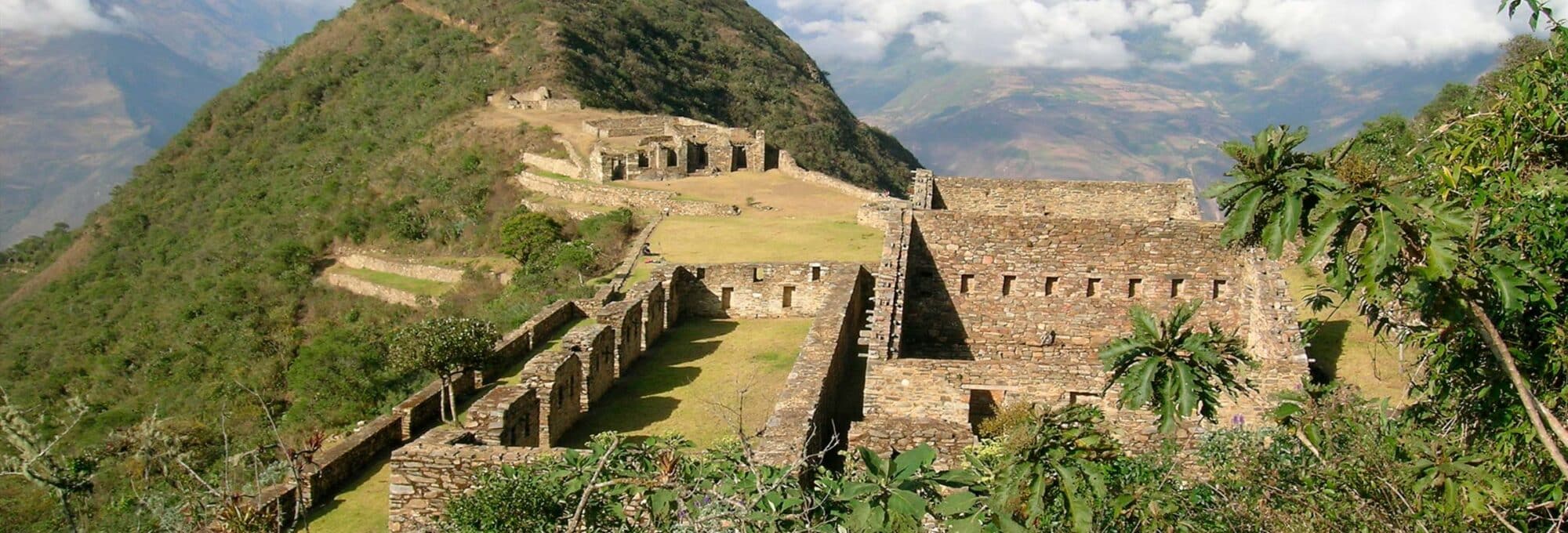
The Choquequirao trek 3 days takes you northeast of Cusco, deep into the canyon carved by the Apurimac River beneath the Vilcabamba mountain range, where the snow-capped Salkantayrises to 6,271 meters (20,575 ft). Often called “the sister of Machu Picchu,” Choquequirao remains one of Peru’s least-visited Inca citadels — only a third of it has been excavated.
Along the trail, keep an eye out for the Andean condor, the puma, and the spectacled bear, all of which inhabit this protected mountain ecosystem. The route also carries deep historical weight: this canyon served as the last stronghold of Inca resistance in the 16th century, and local oral tradition still speaks of a hidden “El Dorado” that rchaeologists have yet to uncover.
Is the Choquequirao trek hard? Yes — it’s rated intermediate to challenging (4/5), with steep descents and climbs each day. But for hikers who want Machu Picchu-level history without the crowds, three days is enough to reach the citadel, explore it in depth, and return to Cusco.
Duration
3 days
Tour type
Trekking
Difficulty
Challenging
Guide
Inglés, español
Group size
6 to 10
Maximum altitude
3050 masl
Itinerary
Day: 01 Cusco – Cachora – Marampata
We pick you up from your hotel in Cusco between 3:30 and 4:00 am. After approximately 3.5 hours of travel toward the town of Cachora, we stop for 30 to 45 minutes for breakfast along the way.
From Cachora, we continue to Capuliyoc, where the hike begins with a 2.5-hour descent to Chiquisca, where we stop for lunch. After a short rest, we continue hiking for approximately 4.5 hours toward Marampata, one of the most demanding sections of the trail in the Cusco region.
We arrive at our lodge in the early evening, where a warm dinner and a comfortable night’s rest await us.
Day: 02 Marampata - Choquequirao - Marampata
Day 2: Marampata – Choquequirao – Marampata
After a buffet breakfast, we begin the 2-hour hike to the Choquequirao Archaeological Complex. Along the way, our guide shares the history and significance of this site for the Inca civilization — often called the “sacred sister” of Machu Picchu for its striking architectural similarities. Remarkably, only one-third of the complex has been excavated to date, with ongoing archaeological discoveries continuing to reveal its secrets.
After exploring the citadel, we enjoy a picnic lunch at Choquequirao before descending to Pajchayoc Waterfall. We then return to Marampata for dinner and a comfortable night at our lodge.
Day: 03 Day 3: Marampata – Capuliyoc – Cusco
At dawn, around 5:00 am, we enjoy a small snack before starting our final hike — this time in reverse, retracing the route back toward Chiquisca. With the sun rising over the Apurimac Canyon, this stretch offers some of the trek’s most spectacular morning views, as the valley slowly reveals its layered ecosystems in the early light.
We arrive at Chiquisca after approximately 4 to 4.5 hours of hiking, where we stop for a well-earned breakfast and a short rest to recover before the final climb. From here, the trail begins its steepest ascent of the day back to Capuliyoc, gaining over 1,000 meters of elevation in around 2.5 to 3 hours — a demanding but rewarding final push, with the Apurimac Canyon and Vilcabamba mountain range stretching out behind us.
Upon reaching Capuliyoc, we take a moment to enjoy the panoramic views one last time and share a final snack, reflecting on the incredible landscapes and Inca history experienced over the past three days. From there, we board our private transport for the scenic drive back to Cusco, arriving at your hotel in the early evening, around 6:00 pm.
How to Get to the Choquequirao Trek
Cusco to Cachora
The Choquequirao trek begins early in the morning with a private transfer from Cusco to the district of San Pedro de Cachora. We follow the main Cusco–Abancay highway, then take a 16 km dirt road detour at Ramal to reach the village of Cachora, passing striking Andean landscapes along the way.
Cachora: The Trailhead
San Pedro de Cachora sits at 2,903 masl / 9,524 ft and has a distinct rainy season (November–March) and dry season (April–October). From here, hikers get sweeping views of the landscape, including the snow-capped peak “Padreyoc.”Check our full guide on the best time for the Choquequirao trek to plan your dates around the ideal weather window.
Descending Into the Apurimac Canyon
From Cachora, the trail crosses a striking variety of ecological zones — from cultivated Andean valleys, down through an arid canyon dotted with capoc, cactus, and agave, and up into lush cloud forest beneath the snow-capped Vilcabamba mountain range.
At the village of Chiquisca, the trail descends steeply to the floor of the Apurimac Canyon at 1,500 masl, near Playa Rosalina, before the ascent toward Choquequirao begins.
Playa Rosalina and the Ascent to Choquequirao
Playa Rosalina sits at 1,550 masl, roughly 19 km from Cachora, on the banks of the powerful Apurimac River. A suspension bridge crosses to the far side, where the trail begins its long, continuous climb.
Along the way, hikers pass the small villages of Santa Rosa — known for “cambrai,” a traditional sugar-cane marinated drink — and Marampata, the last settlement before Choquequirao. From Marampata, it’s approximately 1 hour and 30 minutes on foot to the campsite at Choquequirao, where trekkers spend the night.
Choquequirao Trek 3 Days — Route Summary
Day 1: Cusco → Capuliyoc → Marampata
Day 2: Marampata → Choquequirao → Marampata
Day 3: Marampata → Capuliyoc → Cusco
Trip Details
Activities: Hiking, trekking, and adventure travel through the Apurimac Canyon.
Difficulty level: 4 out of 5 (challenging) — recommended for hikers in good physical condition.
Distance covered: Approximately 60 km (37 miles) round trip.
Maximum altitude: 3,050 masl / 10,0007 ft (highest point of the trail); the Choquequirao citadel itself sits at 3,106 masl / 10,190 ft.
Minimum altitude: 1,550 masl / 5,085 ft (Apurimac River crossing at Playa Rosalina).
Lodging: 2 nights at Marampata local guesthouses (private rooms for 2–3 people).
Type of tourism: Trekking, hiking, nature, and Inca archaeology.
Group size: 6 to 10 people, with a professional bilingual guide (English and Spanish).
Meals included: Breakfast, lunch, and dinner (except Day 1 breakfast and Day 3 dinner) — see full details in Inclusions.
Departure days: Daily departures available; minimum of 2 people required per group.
Best season: April to November (dry season) is recommended for optimal trail conditions.
Minimum age: Recommended for travelers aged 12 and older due to the physical demands of the route.
Start: Hotel pick-up in Cusco around 3:30 am.
End: Drop-off at your hotel in Cusco around 6:00 pm on Day 3.
Highlights to Choquequirao trek
Trek through the dramatic Apurimac Canyon, one of the deepest in the world, surrounded by snow-capped peaks and diverse ecosystems.
Explore Choquequirao, a 15th-century Inca citadel known as “the sister of Machu Picchu” — with only a third of the site excavated so far.
Experience an off-the-beaten-path adventure with far fewer visitors than Machu Picchu or the Inca Trail.
Spot wildlife along the way, including the Andean condor, puma, and spectacled bear in their natural habitat.
Best visited from April to November (dry season); the rest of the year landslides may temporarily close the trail.
Recommended for hikers in good physical condition, as the route covers long distances with steep elevation changes each day.
Included
What’s Included
Pre-departure briefing with your guide to review the itinerary and packing essentials.
Private transportation: hotel pick-up in Cusco and transfer to Capuliyoc.
Overnight guesthouse accommodation in Marampata.
Professional bilingual guide (English/Spanish) — one guide per group of up to 10 people
Mules to carry tents, food, and cooking equipment.
Personal luggage service: mules carry up to 7 kg (15 lbs) of personal cargo per person.
Meals throughout the 3-day trek.
First aid kit, including an oxygen bottle for emergencies.
Pack horses for luggage (maximum 7 kg / 15 lbs per person).
No Included
Not Included
First breakfast (Day 1) and last dinner (Day 3).
Trekking poles.
Entrance tickets to the Choquequirao Archaeological Complex.
Horse for riding (available on request, separate from luggage horses).
Rain ponchos.
Extra beverages.
Any expenses not specifically mentioned in the itinerary.
What to Bring for the Choquequirao Trek (3 Days)
Clothing
A medium-weight sweater.
A light sweater or vest (for layering).
A long-sleeved T-shirt.
1–2 short-sleeved T-shirts.
1–2 pairs of shorts.
A pair of long pants.
2–3 pairs of wool socks.
A waterproof jacket.
Rain gear (poncho or rain pants).
A sun hat.
Footwear & Gear
A backpack.
Sturdy hiking boots.
An extra pair of shoes (for camp).
A small headlamp (with extra batteries).
A reusable water bottle.
Sunglasses with UV protection.
A small quick-dry towel.
Personal Care
Sunscreen (high SPF, reef-safe recommended).
Insect repellent.
A toothbrush and other personal toiletries.
Toilet paper.
Documents
Original passport (required for entrance to the Choquequirao Archaeological Complex).
Choquequirao Trek 3 Days — Pricing 2026
Choose between joining a small group departure or booking a private tour with a dedicated guide. This trek is guaranteed to depart with a minimum of 2 travelers.
Service Type
Group Size
Price per Person
Group Tour (*)
Shared group
$370.00 USD
Private Tour
2 – 4 people
$450.00 USD
Private Tour
5 – 6 people
$420.00USD
Private Tour
6 – 10 people
$390.00USD
*Group availability is confirmed before any payment is required.
Payment Terms
Reservation deposit: $100 USD per person to confirm your spot.
Remaining balance: paid in cash (USD or Peruvian Soles) or by card in Cusco before departure.
Card and PayPal payments carry a 5% processing fee charged by the payment gateway, not by Aremika Expeditions.
Price Guarantee
Once your booking is confirmed, your price is locked in and will not change, regardless of currency fluctuations or seasonal demand.
Private tours include a dedicated bilingual guide and flexible departure times. All prices include the services listed in the “What’s Included” section above.
Why Choose Aremika Expeditions for the Choquequirao Trek
With over 999 verified reviews on TripAdvisor, Aremika Expeditions has helped thousands of travelers reach one of Peru’s most remote Inca citadels safely and comfortably. Here’s what sets our Choquequirao trek apart.
Small Group Experience
We keep groups to a maximum of 6–10 people, ensuring a more personal experience and better access to your guide throughout the trek.
Professional Bilingual Guides
Our certified English/Spanish-speaking guides are local experts in Inca history, regional wildlife, and high-altitude trekking safety.
Safety First
Every departure includes a first aid kit with an oxygen bottle for emergencies, so you can hike with confidence at altitude.
Full-Service Support Team
A dedicated cook, kitchen assistant, and pack mules handle the logistics, so you can focus on the trail and the views.
Daily Departures
Unlike many operators with fixed weekly schedules, we offer daily departures with a minimum of just 2 travelers, giving you flexibility to plan around your trip.
Locally Owned & Operated
Based in Cusco, we’re a Peruvian-owned tour operator with direct knowledge of the trail, the communities along the way, and the Choquequirao archaeological site.
Frequently Asked Questions
How hard is the Choquequirao trek, really?
Harder than most people expect from a “3-day trip.” You’re not walking on flat ground — the trail drops nearly 1,500 meters into the canyon on Day 1 and climbs right back up on Day 3, so your knees and lungs both get tested. That said, you don’t need to be an athlete. Most of our guests are regular hikers with no technical climbing experience; what matters more is pacing yourself and training a bit beforehand with long walks or stairs.
Is 3 days enough time to see Choquequirao properly?
Yes, and it’s actually the most efficient way to do it. The trade-off is that you spend one full day at the ruins instead of splitting your visit across two mornings like the 4 or 5-day itineraries do. If your schedule is tight but you still want real time exploring the site — not just a quick look — 3 days covers it without feeling rushed.
Will I get altitude sickness on this trek?
It’s possible, though Choquequirao is actually gentler on altitude than treks like Salkantay or the Inca Trail — you top out around 3,050 masl instead of over 4,600 masl. Still, we recommend spending at least one full day in Cusco (3,400 masl) beforehand to adjust. Coca tea, going slow on the first uphill stretch, and staying hydrated make a bigger difference than most people think.
Do I need a permit or entrance ticket to visit Choquequirao?
You need an entrance ticket to the archaeological site, which our team handles as part of your booking — you won’t need to queue or arrange it separately. There’s no special trekking permit required for this route, unlike the Inca Trail, which is one reason departures here aren’t capped or booked out months in advance.
Is there phone signal or wifi along the trail?
Barely, and don’t count on it. You’ll get a weak signal in Cachora and sometimes a flicker of it near Marampata, but for most of the two days in between, you’re disconnected. Most travelers end up appreciating this more than they expected — tell people back home not to worry if you go quiet for a couple of days.
What’s the difference between Choquequirao and Machu Picchu?
Size and crowds, mostly. Choquequirao is estimated to be about three times larger than Machu Picchu once fully excavated, though only around a third of it has been uncovered so far. Where Machu Picchu gets thousands of visitors a day, Choquequirao might see a few dozen — you’ll likely have entire terraces to yourself. What it doesn’t have is a train station next door, which is exactly why it stays quiet.
Do I need previous trekking experience?
No, but you should know your own limits. We’ve had first-time trekkers complete this route successfully, and we’ve also had experienced hikers who underestimated it and struggled. The honest requirement is decent cardiovascular fitness — if you can comfortably climb several flights of stairs without stopping, you can handle this trek at a reasonable pace.
What happens to my luggage during the trek?
Mules carry the shared camping gear, food, and cooking equipment, and you’re allowed up to 7 kg of personal belongings on top of that, which they also carry. You just need a daypack for water, snacks, a camera, and whatever you want on hand during the actual hours of walking.
Reviews
Reviews from our travelers
Over +999 verified reviews on TripAdvisor
Price From: $ 370.00
Leave your details
Travel with Plan your trip to Peru!
Chat with a local specialist who can help you organize your trip.



 Duration
 Tour type
 Difficulty
 Guide
Guide Group size
 Maximum altitude